

Radiology Technology B.Sc.
Bachelor of Science in Radiological Technology
Program Overview
Introduction
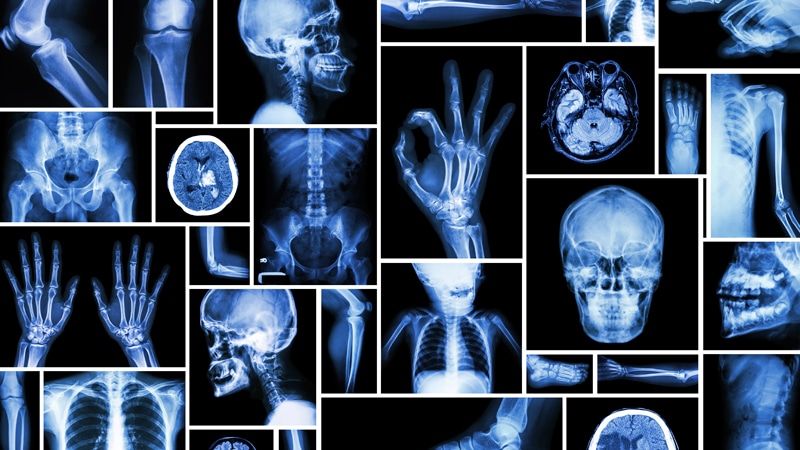
Radiological Technology is the art and science of producing medical images of internal organs and structures, commonly known as X-rays. These images are created by passing a small, highly controlled amount of ionizing radiation through the human body and capturing the resulting image on an image recording device. The program introduces students to the physical principles, clinical applications, and technological advancements of medical imaging. The curriculum includes comprehensive coursework in radiation physics, anatomy, patient care, and image production, combined with extensive clinical training in hospitals and imaging centers. The program qualifies graduates to work across a wide range of imaging modalities, including computed tomography (CT), magnetic resonance imaging (MRI), nuclear medicine, mammography, and interventional radiology.
Program Goals
Graduates of this program will be able to:
-
Demonstrate a thorough understanding of radiation physics, biology, and protection principles.
-
Accurately position patients and select appropriate technical factors to produce diagnostic-quality images.
-
Operate and maintain a variety of imaging equipment, including conventional radiography, fluoroscopy, CT, MRI, and ultrasound.
-
Apply radiation safety standards to protect patients, themselves, and the public from unnecessary exposure.
-
Provide compassionate, patient-centered care and effectively communicate with patients and healthcare team members.
-
Adapt imaging techniques to accommodate patients with varying conditions, including trauma, pediatrics, and geriatrics.
-
Recognize image quality issues and implement corrective measures.
-
Maintain accurate patient records and adhere to professional and ethical standards.
-
Stay current with emerging technologies and participate in continuing education and quality improvement initiatives.
Vision (Outlook)
Within the next decade, the Radiological Technology program aspires to be a regional and national leader in medical imaging education, producing graduates who are at the forefront of technological innovation and clinical excellence. As imaging techniques continue to evolve with the integration of artificial intelligence, digital detectors, advanced reconstruction algorithms, and hybrid imaging systems (such as PET/CT and SPECT/CT), our graduates will be prepared to adapt and excel in both routine diagnostic imaging and specialized areas, including interventional radiology, cardiac imaging, and radiation oncology. The program envisions its graduates playing a vital role in early disease detection, accurate diagnosis, and improved patient outcomes, while actively contributing to research, safety, and healthcare advancement.
Mission (Core Purpose)
The mission of the Radiological Technology program is to educate, train, and graduate highly skilled, ethical, and professional radiologic technologists who deliver safe, accurate, and high-quality imaging services to patients and the community. Through a rigorous curriculum that balances theoretical knowledge, practical skills, and clinical experience, the program is committed to fostering a culture of lifelong learning, critical thinking, and professionalism. The program serves to meet the growing demand for qualified imaging personnel in hospitals, outpatient clinics, and specialized imaging centers, while upholding the values of patient dignity, safety, and compassion. Graduates are prepared to function as essential members of the healthcare team, contributing to accurate diagnosis, effective treatment planning, and the overall well-being of the populations they serve.
| Duration | 4 years |
| Courses and number of credits | |
| General Courses: | 22 credits |
| Basic and Special Courses: | 92 credits |
| Field Internship: | 16 credits |
| Total: | 130 credits |