
Shahroud: The Small Continent(Gateway to Iranian Culture and Nature)
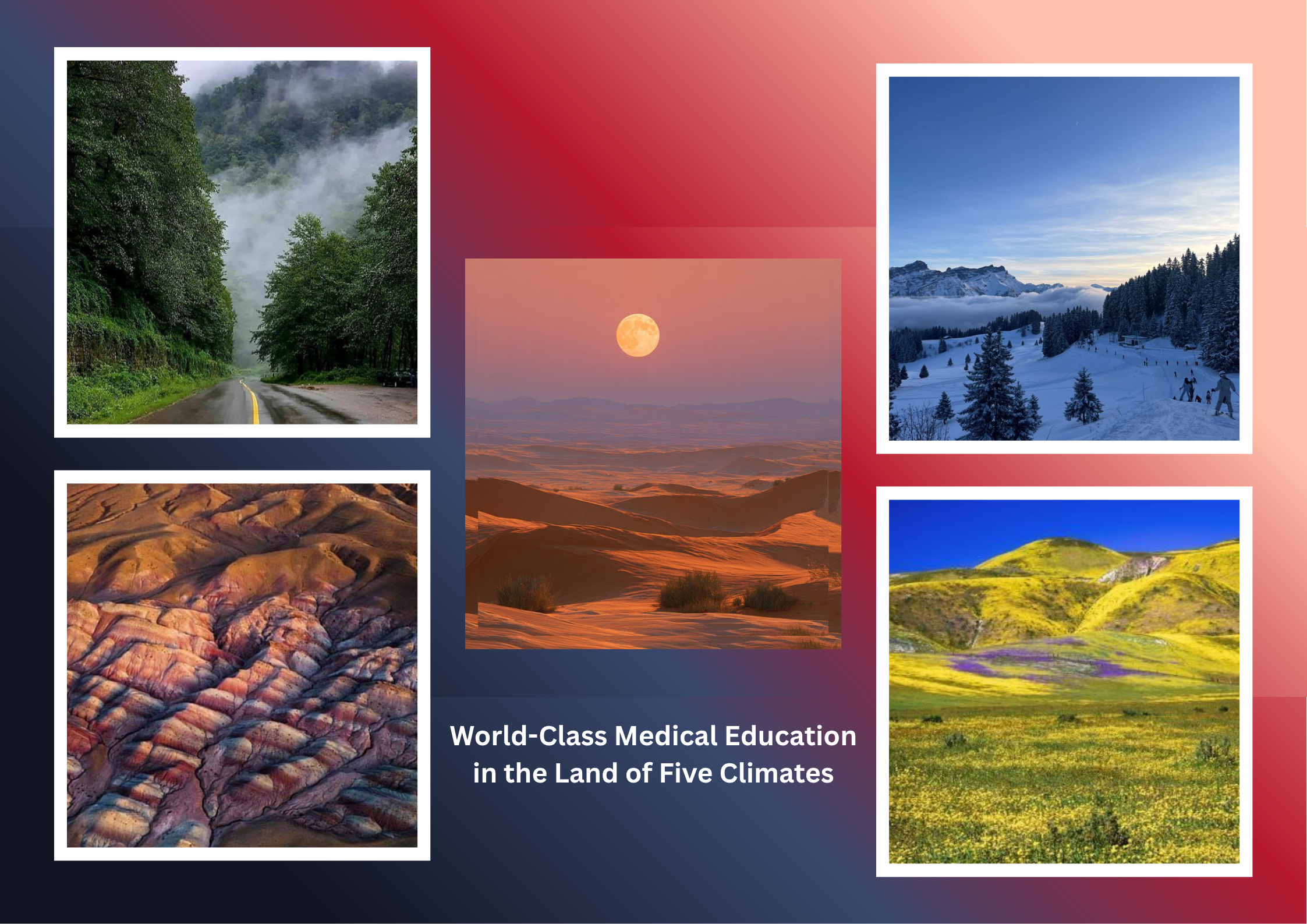 Shahroud, the largest city in Semnan Province and the administrative capital of Shahroud County, Iran, is much more than the home of Shahrood University of Medical Sciences (SHMU). It is a captivating crossroad where ancient history meets stunning natural landscapes, offering a unique experience for students, researchers, and visitors alike.
Geographical Setting and Identity
Located approximately 410 kilometers east of Tehran at an elevation of 1,345 meters, Shahroud boasts remarkable geographic diversity. The majestic Alborz Mountains rise to the north, while the dry, salty deserts stretch to the south. Known as the “City of Grapes,” Shahroud is famous for cultivating a rare and distinctive local variety that forms an integral part of the city’s cultural identity.
Echoes of Antiquity
Traces of human civilization in the region date back thousands of years. Archaeological excavations at Deh Kheyr, just 15 kilometers from the city, reveal settlements nearly 8,000 years old, complete with ancient ovens and craft workshops. While Shahroud itself remained largely a village before the Qajar dynasty, surrounding areas such as Biarjomand, Miami, and Bastam showcase histories even older and richer in cultural heritage.
Natural Masterpieces Surrounding SHMU
The region around Shahroud provides extraordinary opportunities for ecological study and scientific research, offering an inspiring backdrop for academic activities at SHMU.
Khar Turan National Park (Touran Wildlife Biosphere Reserve)
Located to the southeast, Khar Turan spans an impressive 1,400,000 hectares and is one of Iran’s most significant conservation areas. It serves as a critical sanctuary for the endangered Asiatic Cheetah, with a growing population of 39–42 individuals. The reserve also hosts the largest population of Persian Onager and two gazelle species, while its diverse terrain—from shifting sand dunes to stabilized areas—supports a rich variety of plant life.
The Caspian-Hyrcanian Forests and Alborz Peaks
To the north, the convergence of the Caspian-Hyrcanian mixed forests and the high peaks of the Eastern Alborz range creates breathtaking natural landscapes:
- Jangal-e-Abr (The Cloud Forest): Approximately 40 km north of the city, this ancient and enchanting forest is perpetually shrouded in mist, particularly stunning during summer mornings. Home to ancient oak, maple, and alder trees, it is considered one of the natural masterpieces of the Middle East.
- Shahvar Peak: Rising to 4,000 meters and just 25 km from Shahroud, Shahvar is the highest peak in the Eastern Alborz range. It attracts thousands of climbers each year, offering both adventure and panoramic views of the surrounding landscape.
Cultural and Spiritual Heritage
Shahroud is a city of deep historical and spiritual significance, reflecting Iran’s rich Sufi traditions:
- Tomb of Bayazid Bastami (Saljuki era): Located in Bastam, 6 km north of Shahroud, this site commemorates Bayazid, a renowned 9th-century Sufi master.
- Tomb of Sheikh Abul Hassan Kharaqani: Situated in Kharaqan village, 18 km from Shahroud, honoring another pivotal 10th-century Sufi figure.
- Shahroud Museum: Housed in a building dating back to the late Qajar and early Pahlavi periods (renovated in 1988), the museum showcases both archaeological and ethnological collections, connecting visitors directly with the region’s rich history.
Local Craftsmanship
Shahroud is also a center for traditional Iranian handicrafts. In addition to Persian carpets, kilims, and felt (namad), the city is particularly famous for its handmade and hand-painted glassware and pottery, reflecting centuries of local artistry and cultural heritage.